Description
■ Product Introduction
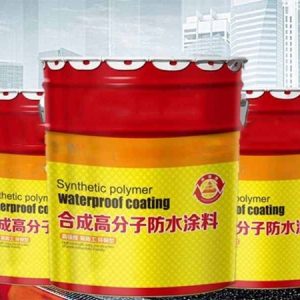
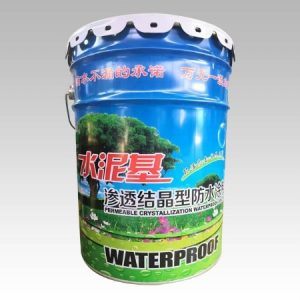
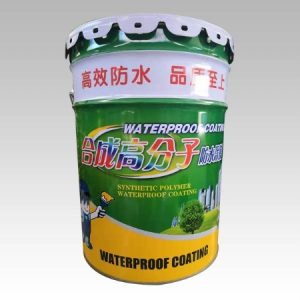
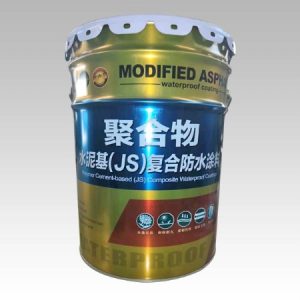
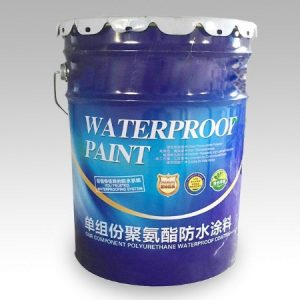
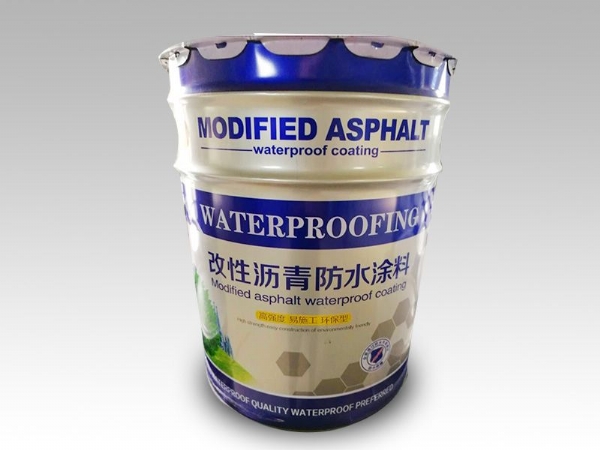
Polymer-modified bitumen waterproof coating is a water-based waterproof coating produced using petroleum asphalt as the base material, SBS rubber as the modifier, natural nanomaterials as fillers, and supplemented with polymers through a scientific formulation. It has excellent application and performance properties, including good elasticity, low-temperature flexibility, and aging resistance. This coating not only offers good water resistance and impermeability but also forms a soft film with the performance of high-grade waterproof membranes. It is easy to apply, can cure on damp substrates, has strong adhesion, and resists pressure-driven water penetration. It is especially suitable for complex structures, significantly reducing construction costs. It can be used on various material surfaces and represents a new generation of environmentally friendly waterproof coating.
■ Product Characteristics
-
Cold application, non-toxic, odorless, pollution-free.
-
Can be applied thickly, saving labor and time.
-
Safe and convenient application; can be used on damp substrates; excellent adhesion to concrete, wood, asbestos board.
-
Outstanding low-temperature elongation, accommodating substrate deformation well, ensuring waterproof quality.
-
High-temperature resistance, corrosion resistance, aging resistance.
■ Scope of Application
-
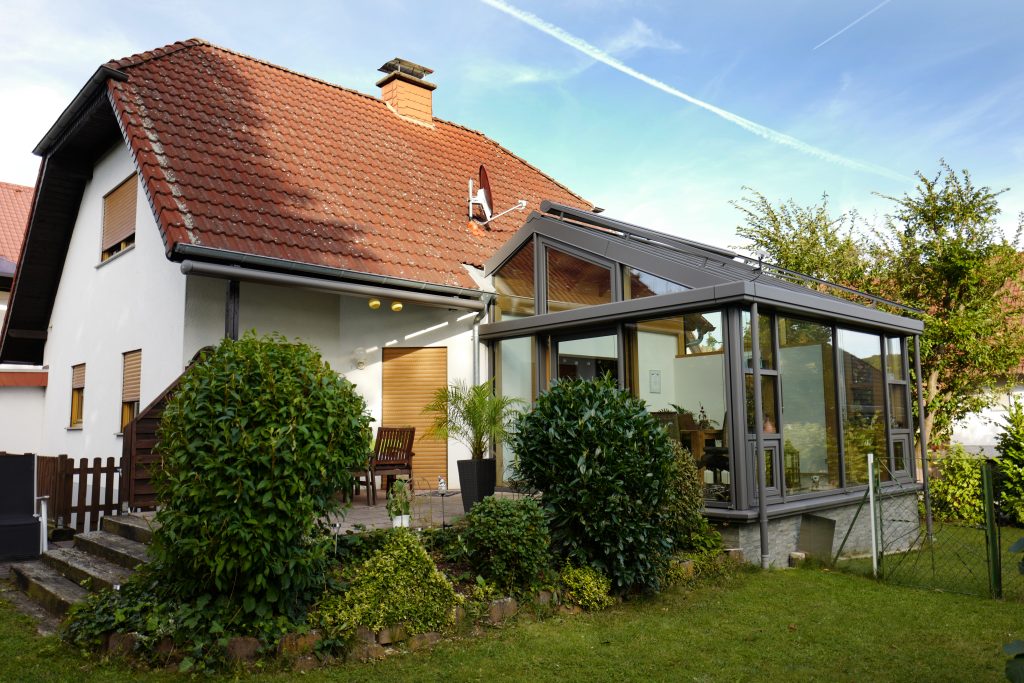
Waterproofing of various precast or cast-in-place concrete structures such as factories, warehouses, civil buildings, bridges, pavements, and joints.
-
Permanent moisture-proofing of ground floors in residential buildings, and long-term waterproofing of bathrooms, kitchens, and balconies.
-
Waterproofing and seepage control for basement walls, foundations, and pools.
-
Repair of leaking old asphalt felt roofs, asbestos tile roofs, and various structural gutters, flashings, etc.
-
Anti-corrosion of pipe components; also can be applied to the surface of self-waterproofing rigid components to prevent water penetration and surface powdering/corrosion.
■ Application Sequence and Method
-
Apply first to joints and details, then to the main area.
-
Joint sealing: clean the joint groove, then fill with sealing material.
-
Reinforcement over joints: after sealing joints (water-based product must be completely dry), apply an additional loose-laid reinforcing layer.
-
Overall coating: start with a primer – dilute the product with water and apply one coat over the entire roof. After drying, apply the product in multiple layers. If reinforcing fabric (e.g., mesh) is embedded between layers, apply coating and lay fabric simultaneously; smooth the fabric, remove air bubbles, and ensure full saturation. At least two topcoats shall be applied over the fabric, with a minimum thickness of 1 mm. When two layers of fabric are used, they shall not be laid perpendicular to each other, and overlap joints shall be staggered by at least one third of the fabric width.
-
Protective layer: after the final coat dries, a water-based reflective heat-insulating topcoat can be sprayed. Alternatively, fine sand (with powder sifted out), coloured sand, mica, vermiculite, etc., can be scattered. If mortar or tile is used as a protective layer, a separation layer shall be placed over the waterproofing, then the mortar is levelled and trowelled, with surface joints (1 m² grid). Leave a 30 mm gap against parapet walls and fill with the same coating.
■ Precautions
-
The substrate must be cured to a certain strength (≥0.3 MPa) before application.
-
Stir the coating thoroughly before use.
-
Each coat must be completely dry before applying the next. If the surface is sticky when walked on, sprinkle a little water on the walking path.
-
Apply in thin multiple coats to ensure uniform thickness and reduce bubbles. Recommended application rate: 0.4–0.5 kg/m² per coat, thickness approx. 0.4–0.5 mm. After the first coat, allow at least 5 hours curing until it is no longer sticky to the touch. Apply the second coat perpendicularly. At the internal corners between floor and wall, reinforce with non-woven fabric. Around pipes, equipment bases, floor drains, and all internal/external corners, apply additional coats. On walls, coat up to 30 cm above the floor, with 3–4 coats. For flat substrates, 2–3 coats are generally sufficient. According to national standards, the total thickness of the waterproof coating shall be ≥2 mm to be acceptable.
-
Storage period: 9 months.
-
Store and transport as non-hazardous goods.
-
During application, take precautions against fire and ensure ventilation. Equip with fire-fighting apparatus. Workers must wear gloves, masks, and other appropriate protective gear to prevent chemical poisoning. Protect the finished coating; subsequent trades must not damage the waterproof layer, otherwise the waterproofing effect may be compromised.