Description
■ Product Introduction
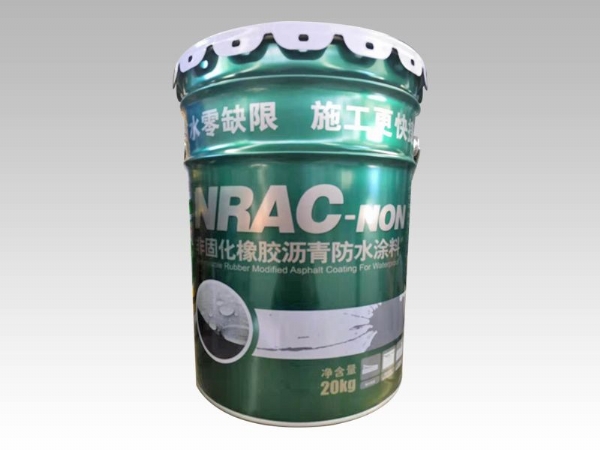
Non‑curing rubberized asphalt waterproof coating is a waterproof coating made from rubber and asphalt as the main components, mixed with additives, that remains a viscous paste throughout its service life.
Non‑curing rubberized asphalt waterproof coating (referred to as non‑curing coating) is made from rubber, asphalt, and softening oil as the main components, together with temperature‑control agents and fillers. It remains a viscous paste throughout its service life. The coating can seal cracks and capillary pores in the substrate and adapt to complex working surfaces. After exposure to air, it does not cure for a long time, always retaining a sticky, paste‑like consistency. It has excellent self‑healing ability – touching it immediately causes adhesion, and it is difficult to peel off. It still has good bonding properties at -20 °C. It solves problems such as rupture of the waterproof layer due to stress from substrate cracking, flexural fatigue, or premature ageing under high stress. At the same time, the viscosity of this creep‑type material enables it to seal capillary pores and cracks in the substrate well, eliminating the problem of water channeling under the waterproof layer and greatly improving waterproofing reliability. It also resolves compatibility issues when used in combination with existing waterproofing membranes and coatings.
■ Process Principle
Non‑curing rubberized asphalt waterproof material is an elastoplastic, gel‑like material composed of rubber, asphalt, softening oil, and temperature‑control agents. It does not cure after long‑term contact with air and has excellent adhesion. It can replace cold‑applied adhesives for waterproofing applications using the cold‑bonding method.
■ Properties
Non‑curing rubberized asphalt waterproof coating has the following main characteristics:
(1) Excellent creep behaviour
(2) Excellent bonding performance
(3) Excellent self‑healing ability
(4) Good applicability on damp substrates
(5) Excellent chemical corrosion resistance and ageing resistance
(6) Excellent environmental performance