Description
■ Product Introduction
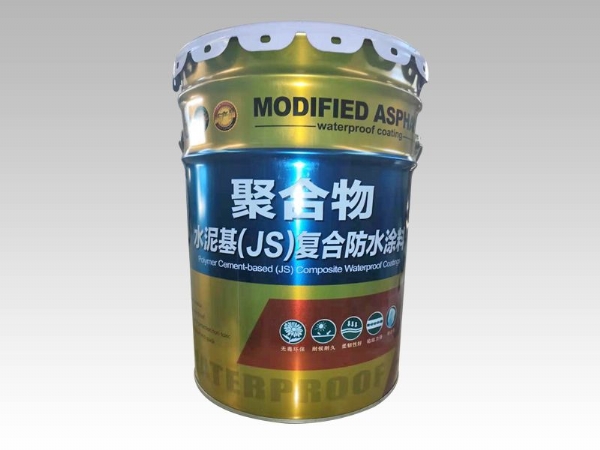
Polymer cement‑based waterproof coating is a two‑component waterproof coating composed of a liquid component (synthetic polymer emulsion such as polyacrylate, polyvinyl acetate, styrene‑butadiene rubber emulsion with various additives) and a matching powder component (special cement, graded sand). It is a waterproofing material that combines the high elasticity of synthetic polymer materials with the durability of inorganic materials. Cement‑polymer waterproof coating is a flexible waterproof coating, i.e. a film‑forming coating. JS composite waterproof coating and cement‑polymer waterproof coating refer to the same type of material.
■ Basic Composition
-
Cement
-
Polymer latex (polymer powder)
-
Sand (quartz sand with specified mesh size)
-
Filler (e.g. ground calcium carbonate)
-
Additives (defoamer, anti‑settling agent, etc.)
■ Product Characteristics
-
Polymer modification: enhances adhesion to various substrates.
-
Breathable but watertight: the surface allows water vapour to escape, preventing vapour pressure build‑up, while remaining impermeable to liquid water – good waterproofing performance.
-
Good flexibility: can withstand slight vibration and displacement up to 2‑3 mm wide (flexible waterproofing).
-
Excellent weather resistance: wide range of applications, suitable for exposed environments such as roofs.
-
Easy application: as a cement‑based product, tiles, plaster or paint can be applied directly over the cured waterproof layer.
-
Can be applied in damp areas: the coating must penetrate into the substrate through the action of water, so it can be applied on damp surfaces – e.g. concrete must be pre‑wetted before application.
-
Environmentally friendly: non‑toxic, harmless, can be applied directly to drinking water reservoirs.
-
Hazard classification: non‑flammable, non‑corrosive.
■ Scope of Application
Can be applied on damp or dry substrates such as masonry, mortar, concrete, metal, wood, hard plastic, glass, gypsum board, foam board, rubber, etc. Suitable for both new and old buildings and structures (e.g. houses, underground works, tunnels, bridges, pools, reservoirs, etc.). It can also be used as an adhesive. Especially suitable for basements, underground tunnels, bathrooms, pools and other conditions that are extremely damp or subject to long‑term immersion.