Description
■ Product Definition
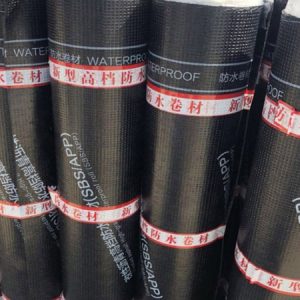
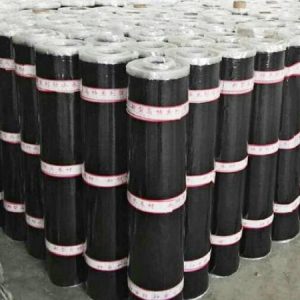
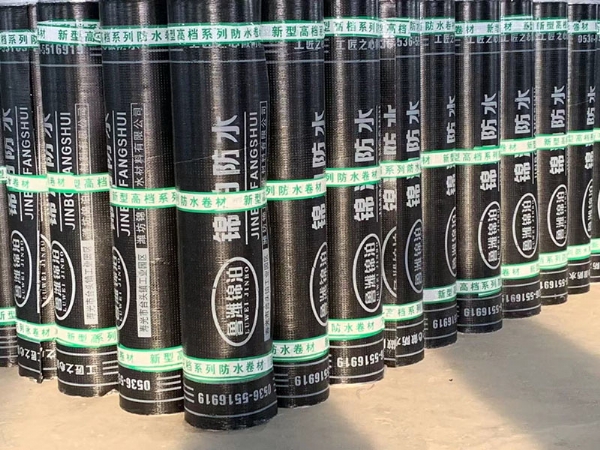
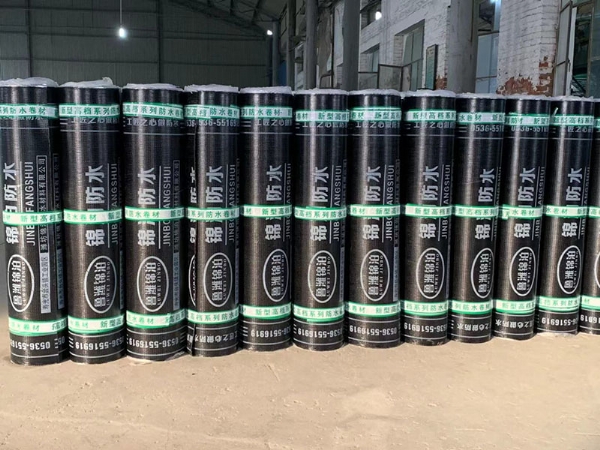
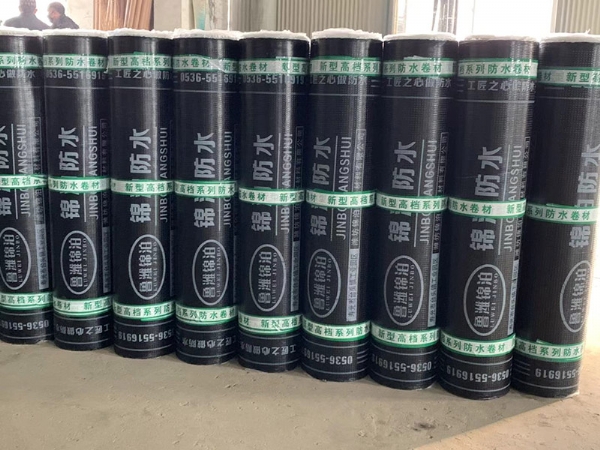
Modified bitumen waterproofing membrane, commonly known as modified bitumen felt. Polymer-modified bitumen waterproofing membrane is a rollable sheet-like waterproof material made using fiberglass mat, polyester mat, jute fabric, polyethylene film, polyester non-woven fabric, metal foil or a composite as the carrier, with synthetic polymer-modified bitumen or oxidized bitumen (containing not less than 10% polymer modifier) as the coating, and powdered, flaky, granular mineral materials, synthetic polymer film or metal film as the surfacing.
Polymer-modified bitumen is produced by adding rubber or plastic resins to bitumen to modify it. Due to bitumen’s inherent disadvantages such as low softening point, high penetration, and low‑temperature brittleness, its use as a waterproofing material is limited. Adding polymer modifiers greatly improves these properties, significantly enhancing weather resistance, temperature sensitivity (high‑temperature performance, low‑temperature flexibility), and adaptability to substrate cracking. This makes it possible to move from the old era of “heavy, thick, long, large” to an industrialised era of “light, thin, short, small”.
■ Classification
Polymer-modified bitumen waterproofing membranes can be divided into three main categories: elastomer‑modified, plastomer‑modified, and rubber‑plastic blend modified. Each category can be further classified by the type of polymer modifier. For example, elastomer‑modified bitumen membranes include SBS‑modified, SBR‑modified, and reclaimed rubber‑modified types. The detailed classification is shown in the diagram below. Several important types are introduced here:
-
Elastomer-modified bitumen waterproofing membrane (SBS) – complies with GB18242‑2008 national standard.
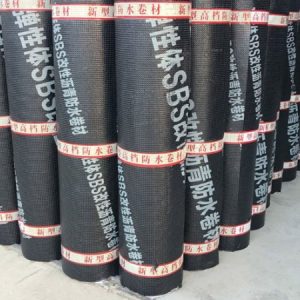
SBS‑modified bitumen membrane uses a thermoplastic elastomer as modifier. Petroleum bitumen is modified and used as the impregnating/coating material, with fiberglass or polyester mat as the carrier, and plastic film, mineral granules or flakes as release liner. It is produced through material selection, batching, co‑melting, impregnation, composite forming, rolling, inspection, splitting, packaging, etc. It is a flexible medium‑to‑high grade rollable sheet waterproof material and a representative product of elastomer bitumen membranes.
Characteristics: excellent overall performance, good high‑temperature and low‑temperature resistance, aging resistance, easy application.
Adding 10‑15% SBS thermoplastic elastomer gives it dual rubber‑plastic properties. At room temperature it behaves like rubber; at high temperature it melts and flows like plastic. It acts as a toughener for brittle materials such as plastic and bitumen. Modifying bitumen with SBS improves the elasticity and fatigue resistance of the membrane, extends service life, and enhances overall performance.
-
Plastomer-modified bitumen waterproofing membrane (APP) – complies with GB18243‑2008 national standard.
APP‑modified bitumen membrane is a plastomer‑type membrane. It uses fiber felt or fabric as carrier, impregnated with APP (atactic polypropylene)‑modified bitumen. The upper surface is covered with mineral granules, flakes or polyethylene film, and the lower surface with fine sand or polyethylene film. It is a medium‑to‑high grade modified bitumen rollable sheet waterproof material.
Characteristics: stable molecular structure, long aging period, good heat resistance, high tensile strength, high elongation, easy application, no pollution.
Adding 30‑35% APP (a by‑product of polypropylene production) forms a network structure in the modified bitumen, which is compatible with petroleum bitumen and encapsulates the bitumen. APP’s saturated molecular structure gives excellent stability – after exposure to high‑temperature sunlight, the molecular structure does not rearrange, resulting in a long aging period (generally over 20 years). When combined with polyester or fiberglass mat, the membrane exhibits good tensile strength and elongation. It is water‑repellent, adhesive, suitable for both cold‑applied and torch‑applied methods, non‑polluting, and can be applied on concrete, wood, plastic, metal, etc.
-
Polymer-modified bitumen waterproofing membrane with polyethylene carrier
This membrane uses high‑density polyethylene film as the carrier, with APP, SBS or other polymer‑modified bitumen as the coating, and polyethylene film or aluminum foil as the upper surfacing. It is manufactured by an extrusion process into a rollable sheet. It is suitable for industrial and civil building waterproofing. Membranes covered with polyethylene film are for non‑exposed applications, while those covered with aluminum foil are for exposed applications. The composite of polyethylene film and polymer‑modified bitumen provides good waterproofing, anti‑corrosion, and chemical resistance.
-
SBR‑modified bitumen waterproofing membrane
This membrane uses fiberglass mat or polyester non‑woven fabric as carrier, impregnated with SBR‑modified bitumen, with mineral granules/flakes or polyethylene film on top, and fine sand or polyethylene film on the bottom. It is a rollable sheet material.
Applications: besides general industrial and civil buildings, it is especially suitable for waterproofing and moisture‑proofing of high‑rise building roofs and underground works, as well as bridges, parking lots, swimming pools, tunnels, etc.
-
Styrene‑butadiene rubber‑modified oxidized bitumen membrane with polyethylene carrier
This membrane uses high‑density polyethylene film as the carrier, with styrene‑butadiene rubber and plastic resin‑modified oxidized bitumen as the coating, and polyethylene film or aluminum foil as upper surfacing. It is manufactured by extrusion into a rollable sheet. Suitable for industrial and civil buildings – polyethylene‑covered for non‑exposed, aluminum‑covered for exposed applications. The composite offers good water resistance, chemical and microbial corrosion resistance, and extensibility.
Hot‑torch application is commonly used for these materials.
■ Performance
Polymer‑modified bitumen membranes use modified bitumen as the coating. Plain petroleum bitumen tends to become hard, brittle and crack at low temperatures, is temperature‑sensitive, softens and flows under summer sunlight and UV radiation, and undergoes internal stress changes due to thermal expansion/contraction. Under combined effects of oxygen and ozone, the chemical components of bitumen change – oils evaporate, resin content decreases, plasticity drops, brittleness increases, adhesion reduces, and cracking/aging occurs. These shortcomings make traditional petroleum bitumen waterproofing materials insufficient for durable building waterproofing. China began researching synthetic polymer‑modified bitumen in the mid‑1970s. Adding a certain amount of polymer modifier improves the inherent low‑temperature brittleness and high‑temperature flow tendency. The modified bitumen gains good high‑ and low‑temperature performance, as well as good elasticity, plasticity, water repellency, and adhesion. Compared to conventional bitumen membranes, polymer‑modified bitumen membranes show improved tensile strength, heat resistance, low‑temperature flexibility, water impermeability, and corrosion resistance.
Polymer‑modified bitumen membranes are among the most widely used new waterproofing materials and have become a leading product category. They are medium‑to‑high grade materials. Polyester‑mat‑based membranes exhibit the best performance, with high tensile strength, high elongation, and low fatigue.
The key advantage is that the excellent properties of polymers improve the tendency of petroleum bitumen to flow when hot and crack when cold, thus enhancing the technical performance of bitumen membranes.
■ Characteristics
-
Tensile properties
Comparing a double‑layer conventional bitumen membrane with a single‑layer modified bitumen membrane, the modified membrane shows significantly higher elongation and tear strength (see Table 2). Tensile strength requires further modification. As temperature drops, modified membrane properties are largely unaffected, while conventional membrane elongation decreases markedly, showing low‑temperature brittleness.
-
Adaptability to substrate cracking
Under substrate cracking and temperature decrease, modified bitumen membranes are much more adaptable (see Table 3).
-
Low‑temperature flexibility
Ordinary bitumen felt fails below 5°C. Both APP‑ and SBS‑modified bitumen membranes show significant improvement in low‑temperature flexibility (see Table 4).
-
Artificial aging performance
Using a sunlight‑type artificial aging apparatus to compare three base materials (measuring softening point). Asphalt starts to harden after 1000 hours, becomes completely brittle after 2000 hours. APP‑modified bitumen changes very little – after 2000 hours, no significant change, softening point remains. SBS‑modified bitumen falls in between.
In summary, blending polymers with bitumen is a simple, practical and effective method to modify bitumen. Countries worldwide are researching bitumen chemistry to improve its performance and expand applications. Bitumen modification is a key research focus. Many Chinese universities and research institutes are also working in this area and have achieved many results. It is believed that polymer‑modified bitumen will see further development in the waterproofing industry and other fields where bitumen is used.