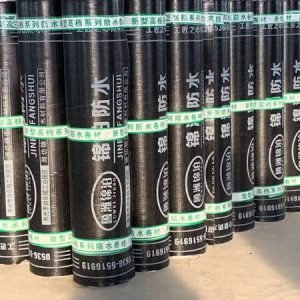

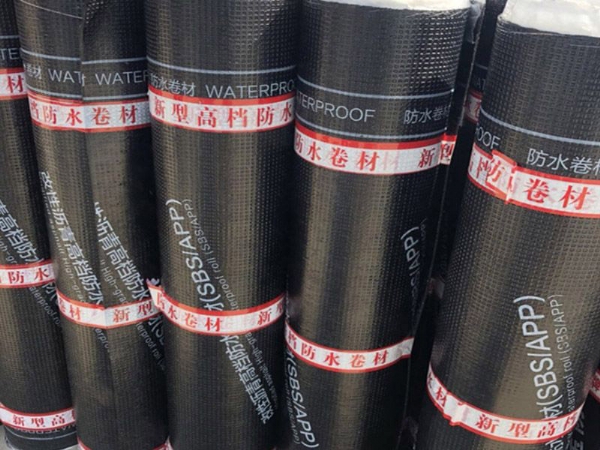
Description
■ Classification
Based on carrier material: polyester mat, fiberglass mat, and fiberglass‑reinforced polyester mat.
Based on physical and mechanical properties: Type I and Type II.
Based on upper release liner: polyethylene film (PE), fine sand (S), and mineral granules (flakes) (M).
■ Relevant Standards
4.1 Product standard:
GB18243‑2008 “Plastomer modified bitumen waterproofing membrane”
4.2 Design and construction specifications:
GB50108‑2008 “Technical code for waterproofing of underground works”
GB50208‑2011 “Code for acceptance of quality of underground waterproofing”
GB50345‑2012 “Technical code for roofing engineering”
GB50207‑2012 “Code for acceptance of quality of roofing engineering”
GB50300‑2013 “Unified standard for constructional quality acceptance of building engineering”
■ Application Methods
Hot‑melt (torch) or cold‑adhesion.
■ Selection Points
-
Type I APP modified bitumen membranes (polyester or fiberglass mat) have higher heat resistance but lower low‑temperature flexibility. Suitable for roof waterproofing of general buildings in non‑cold regions. Membranes with polyethylene film or fine sand as the upper release liner shall not be used exposed.
-
Type II APP modified bitumen membranes (polyester mat) feature high tensile strength, high elongation, good heat resistance, and relatively good low‑temperature flexibility. Suitable for roof and underground waterproofing projects in general, relatively cold, or relatively hot regions, with waterproof grades I, II or III.
-
Type II APP modified bitumen membranes (fiberglass mat) have relatively high tensile strength, good dimensional stability and heat resistance, but no elongation. Suitable for general roof or underground waterproofing projects with stable structures in general or relatively cold regions.
-
Fiberglass‑reinforced polyester mat membranes can be used for mechanically fastened single‑ply roofing, subject to wind load resistance testing.
-
When used in combination with a coating, the membrane should be compatible with the coating and preferably placed above the coating. When used in combination with waterproof mortar, the membrane should be placed below the mortar.