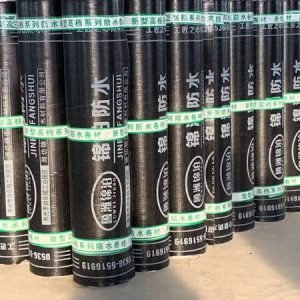
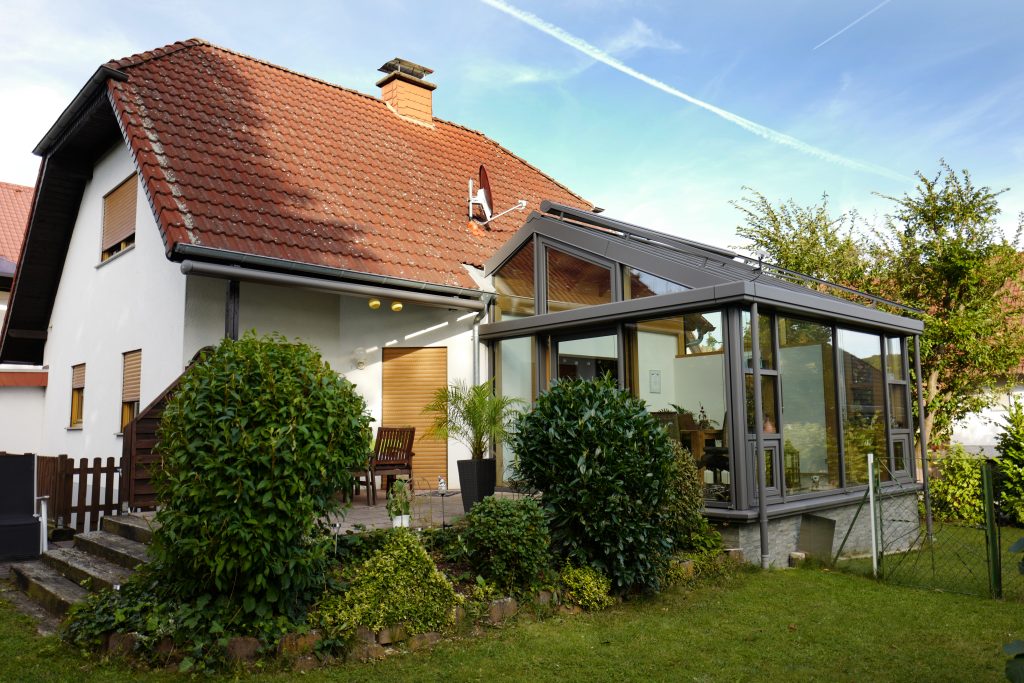
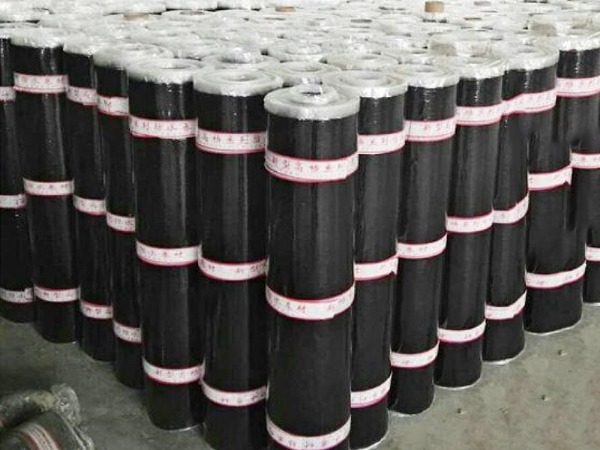
Description
■ Applications
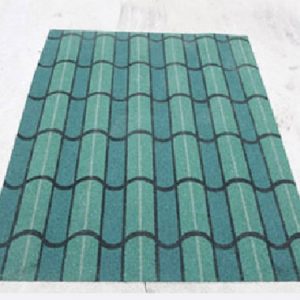
Suitable for waterproofing and protection works in industrial and civil buildings, such as roofs, basements, walls, bathrooms, pools, canals, subways, underground structures, highways, bridges and airport runways. Also suitable for anticorrosion protection of metal containers and pipelines. It is a versatile, high‑performance waterproofing material that can be used in single‑ply or multi‑ply systems, applied by torch‑on (hot melt) or cold‑adhesion methods. Fiberglass‑reinforced polyester mat membranes can be used for mechanically fastened single‑ply roofing, subject to wind load resistance testing. Fiberglass mat membranes are suitable as the base layer of multi‑ply systems. For exposed applications, use membranes with opaque mineral granules as the upper release liner. For underground waterproofing, use membranes with fine sand as the release liner.
■ Classification and Specifications
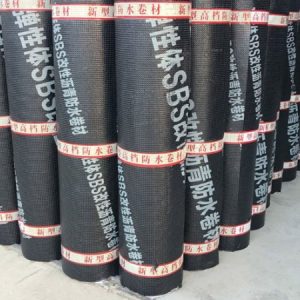
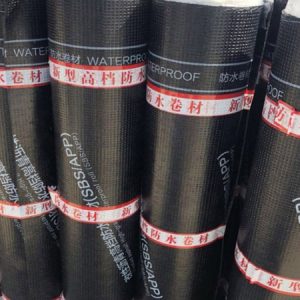
Based on the carrier: polyester mat (PY), fiberglass mat (G), fiberglass‑reinforced polyester mat (PYG).
Based on upper release liner: polyethylene film (PE), fine sand (S), mineral granules (M). Lower release liner: fine sand (S), polyethylene film (PE).
Based on material performance: Type I (‑20°C), Type II (‑25°C).
Nominal width: 1000 mm.
Nominal thickness for polyester mat membranes: 3 mm, 4 mm, 5 mm.
Nominal thickness for fiberglass mat membranes: 3 mm, 4 mm.
Nominal thickness for fiberglass‑reinforced polyester mat membranes: 5 mm.
Nominal area per roll: 7.5 m², 10 m², 15 m².
■ Application Methods
Tools: Special torch gun for hot melt, propane cylinder, metal trowel, cutter.
Application Methods
-
Design and construction basis:
-
GB50207‑2012 “Code for acceptance of quality of roofing engineering”
-
GB50345‑2012 “Technical code for roofing engineering”
-
YJG21‑96 “Technical code for new waterproofing membrane”
-
-
Bonding methods:
Hot‑melt (torch) method: Unroll the membrane and align it with the marked line. Roll up 2‑3 meters from one end. Use a propane torch to heat the bonding surface with a moving flame until the surface turns black and shiny (melt layer appears). Quickly unroll and press the membrane into place using your foot and a roller, squeezing out a small amount of melt at the edge. After positioning, roll up the other end and repeat.
Cold‑adhesion method: Use adhesive or mastic to bond the membrane to the substrate or membrane to membrane.
■ Precautions
-
Quality of the waterproof substrate (leveling layer):
-
Must be hard, smooth, dry, clean, free from loose sand, sharp objects.
-
Any defects must be repaired before waterproofing. Primer must be applied.
-
No ice, snow or standing water.
-
-
Construction quality:
-
For full adhesion, avoid wrinkling or hollowing. For semi‑adhesion, lightly torch the unbonded areas to make the membrane lie flat on the substrate. For loose‑laid application, bond the perimeter and add ballast.
-
When torch‑applying, control the flame intensity so that the upper surface does not blacken. Do not use a slow, low flame.
-
For winter construction, select a membrane whose low‑temperature flexibility rating is at least 10°C lower than the actual air temperature. Store membranes above 0°C, bring them to the site just before use, and avoid dropping or throwing them.
-
■ Storage and Transport
-
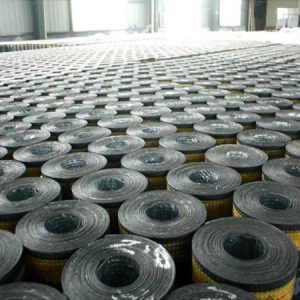
Store and transport products of different types and specifications separately. Avoid sun and rain. Ensure ventilation. Storage temperature not higher than 50°C. Store upright, stacked no more than two rolls high.
-
When shipping by ship or train, the rolls must be placed upright, stacked no more than two high. Prevent tilting or horizontal pressure. Cover with tarpaulin if necessary.
-
Under normal storage and transport conditions, the shelf life is one year from the date of manufacture.