
Description
■ Product Introduction
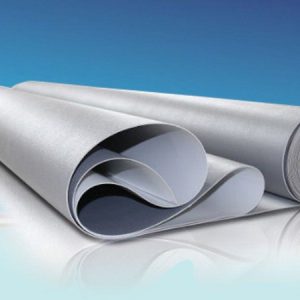
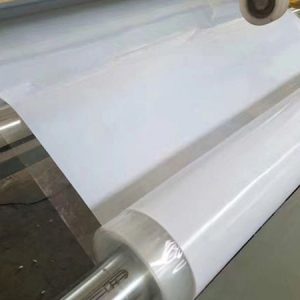
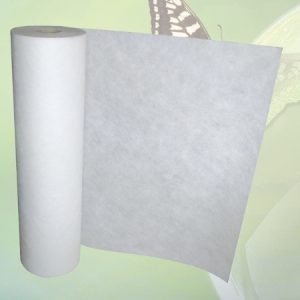
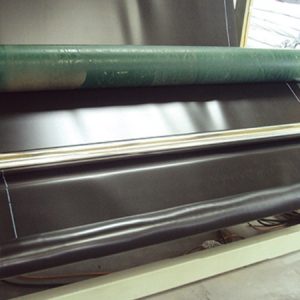
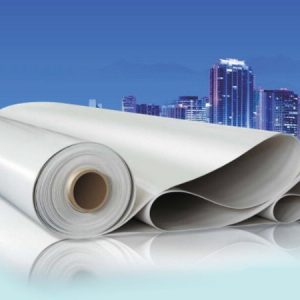
EPDM (Ethylene Propylene Diene Monomer) rubber waterproofing membrane (abbreviated as EPDM membrane) is manufactured by mixing EPDM rubber with appropriate amounts of butyl rubber, vulcanizing agents, accelerators, softeners, reinforcing agents, etc., through processes such as internal mixing, sheet filtering, and extrusion forming. Due to the absence of double bonds in the main chain of the EPDM molecular structure, it is not prone to chain scission when exposed to ozone, UV radiation, heat and humidity. Therefore, it has excellent weather resistance, aging resistance, high tensile strength, high elongation, good adaptability to substrate expansion/contraction or cracking, light weight, and a wide service temperature range (long‑term use from -40°C to +80°C). It is a high‑efficiency waterproofing material. It can be applied cold, is easy to handle, reduces environmental pollution and improves working conditions. There are both vulcanized and non‑vulcanized types available on the market.
■ Applications
Waterproofing and seepage control for various industrial, civil buildings and structures, underground projects, and non‑exposed waterproofing works.
※ Construction method:
-
Basic requirements for roof substrate:
A. The substrate shall be leveled with a 20‑30 mm thick cement mortar (1:2.5) layer, which shall be smooth, compact, firm, level, free from loose sand, without unevenness, loosening, bulging or pitting. The flatness shall be checked with a 2 m straightedge; the gap between the leveling layer and the straightedge shall not exceed 5 mm.
B. The leveling layer surface must be dry. The cement mortar shall have sufficient strength, with moisture content not exceeding 9%.
C. Junctions between the leveling layer and protruding roof structures (parapets, chimneys, etc.) as well as corners shall be formed with a radius of 20 mm. Around downspouts, slightly lower recesses shall be made for drainage.
D. The slope and flashing of the leveling layer shall comply with design and relevant specifications. -
Process flow:
Clean substrate → Apply additional layer → Apply adhesive to membrane surface → Apply adhesive to substrate surface → Bond membrane → Exhaust air and roll → Terminate membrane ends and seal edges → Apply protective layer. -
Operation procedure:
A. Clean substrate: Thoroughly clean the approved substrate before construction.
B. Additional layer: At special parts such as corners, pipe roots, and downspouts, apply an additional layer first (using polyurethane coating or a layer of membrane).
C. Apply adhesive to substrate and membrane: Unroll the membrane on a clean substrate. Use a long‑handle roller brush to apply (401 or 404) adhesive evenly on the membrane, then apply on the substrate. Do not brush repeatedly in the same area to avoid gelation. Use a brush for special parts such as pipe roots and downspouts.
D. After applying adhesive, let it dry until the adhesive is basically dry (generally when it is no longer tacky to the touch) before laying. -
Roof membrane bonding:
A. Start from the lower side of the slope, snap a reference line. The long direction of the membrane shall be perpendicular to the slope direction.
B. Immediately after laying each roll, use a soft long‑handle roller to firmly roll from one end of the membrane transversely to thoroughly expel air between the membrane and substrate. If air bubbles cannot be expelled, do not cut the membrane; allow it to self‑exhaust to avoid compromising waterproofing.
C. Follow specifications for membrane joint bonding.
■ Precautions
-
Do not apply self‑adhesive membranes on frozen substrates.
-
Do not construct on contaminated or excessively moist substrates.
-
Remove the packaging and release liner of self‑adhesive membranes only immediately before or during laying.
-
After using sealant, promptly seal the container tightly.
■ Storage and Transport
-
Store materials in a dry, ventilated environment, protected from sun and rain. Different types and specifications of membranes shall be stacked separately.
-
Stack height should not exceed 5 layers when stored flat, and no more than 2 layers when stored upright.
-
Under normal conditions, the shelf life is one year (from the date of manufacture).