Description
■ Product Introduction
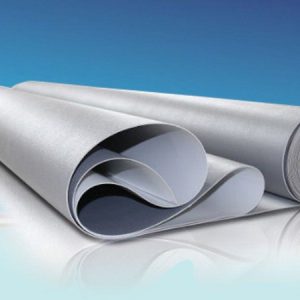
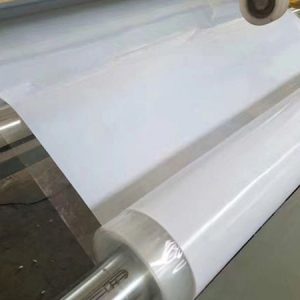
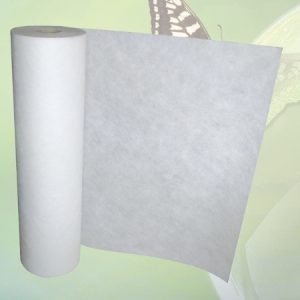
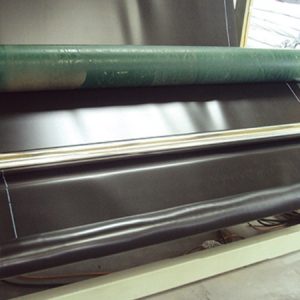
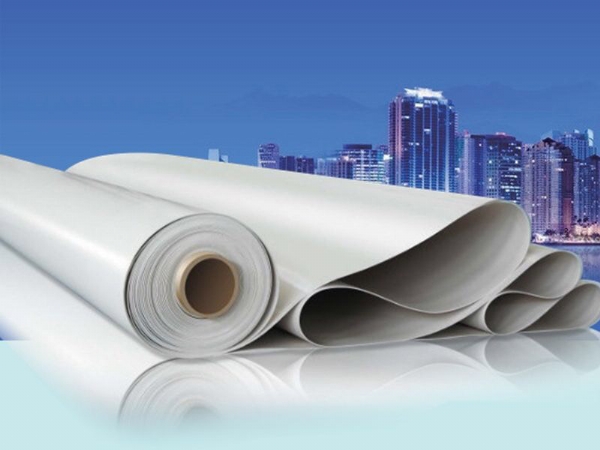
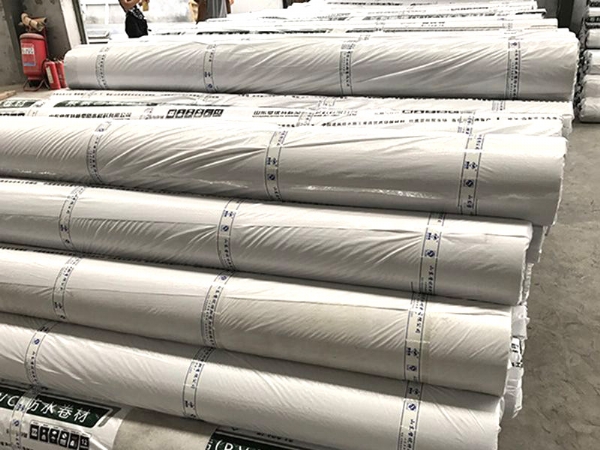
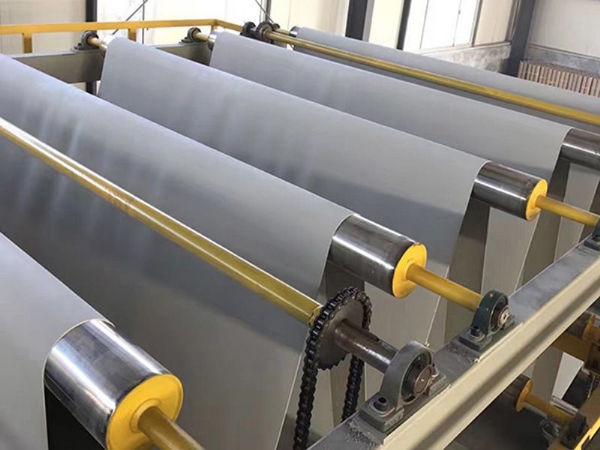
Polyvinyl chloride (PVC) waterproofing membrane is a high‑performance polymeric waterproofing material. It is manufactured using PVC resin as the main raw material, together with various special additives and anti‑aging components, with advanced equipment and technology. The product features high tensile strength, high elongation, low shrinkage, good low‑temperature flexibility and long service life. It has stable performance, reliable quality and is easy to install.
■ Product Features
-
Long service life, good aging resistance – can be used on roofs for over 30 years, and underground for up to 50 years.
-
High tensile strength, high elongation, small change in dimensions after heat treatment.
-
Good low‑temperature flexibility, good adaptability to temperature changes.
-
Excellent root penetration resistance, good puncture resistance – suitable for green roofs.
-
Easy installation, welded seams are strong and reliable, environmentally friendly, no pollution.
-
High chemical corrosion resistance – suitable for special applications.
-
Good plasticity – easy to handle even at corners and details.
-
Easy to repair, low maintenance cost.
■ Scope of Application
-
Suitable for all kinds of roof waterproofing in industrial and civil buildings, including green roofs, flat roofs and sloped roofs.
-
Underground waterproofing of buildings – reservoirs, dams, canals, and various basement waterproofing applications.
-
Tunnels, highways, elevated bridges, grain silos, civil defence works, landfills, artificial lakes, etc.
■ Construction Methods
Roofing Works (GB50207‑2002)
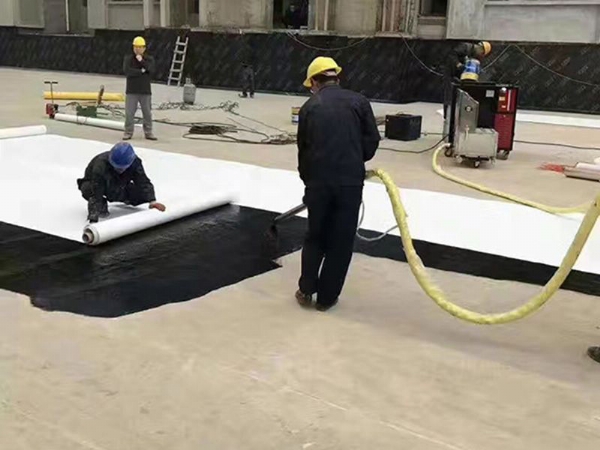
(1) The strength, thickness, moisture content and other parameters of the substrate must meet national standards and design requirements before installation of PVC waterproofing membrane.
(2) Determine the laying direction and sequence. Lay the membrane roughly along the contour of the waterproofing layer on the substrate, flat and straight without bending, with overlap width according to code requirements.
(3) Fix the membrane using the selected attachment method – e.g. mechanical fastening, full adhesion, or strip adhesion.
(4) Welded overlaps must be clean and dry. Use hot air welding. During welding, the nozzle should be at a 45° angle to the welding direction, the pressure roller should be parallel to the nozzle and keep about 5 mm distance. A bright molten bead should appear at the weld edge without scorching.
(5) Membrane terminations shall be fixed with battens, sealed with sealant and mortar.
(6) After completing the entire waterproofing area, carry out a full quality inspection and remedy any defects.
Underground Works (GB50208‑2002)
(1) The strength, thickness, moisture content and other parameters of the substrate must meet national standards and design requirements before installing PVC membrane.
(2) Choose the appropriate construction method according to the different waterproofing parts, following GB50208‑2002.
(3) The overlap width of the membrane shall be 100 mm, with the upper sheet overlapping the lower sheet.
(4) Multi‑line welding is preferred for seams; the width of a single weld bead shall not be less than 100 mm.
(5) The PVC membrane shall be laid smoothly and firmly fixed to the substrate – no sagging, tightening or damage. Only after inspection and confirmation may the next work step proceed.